
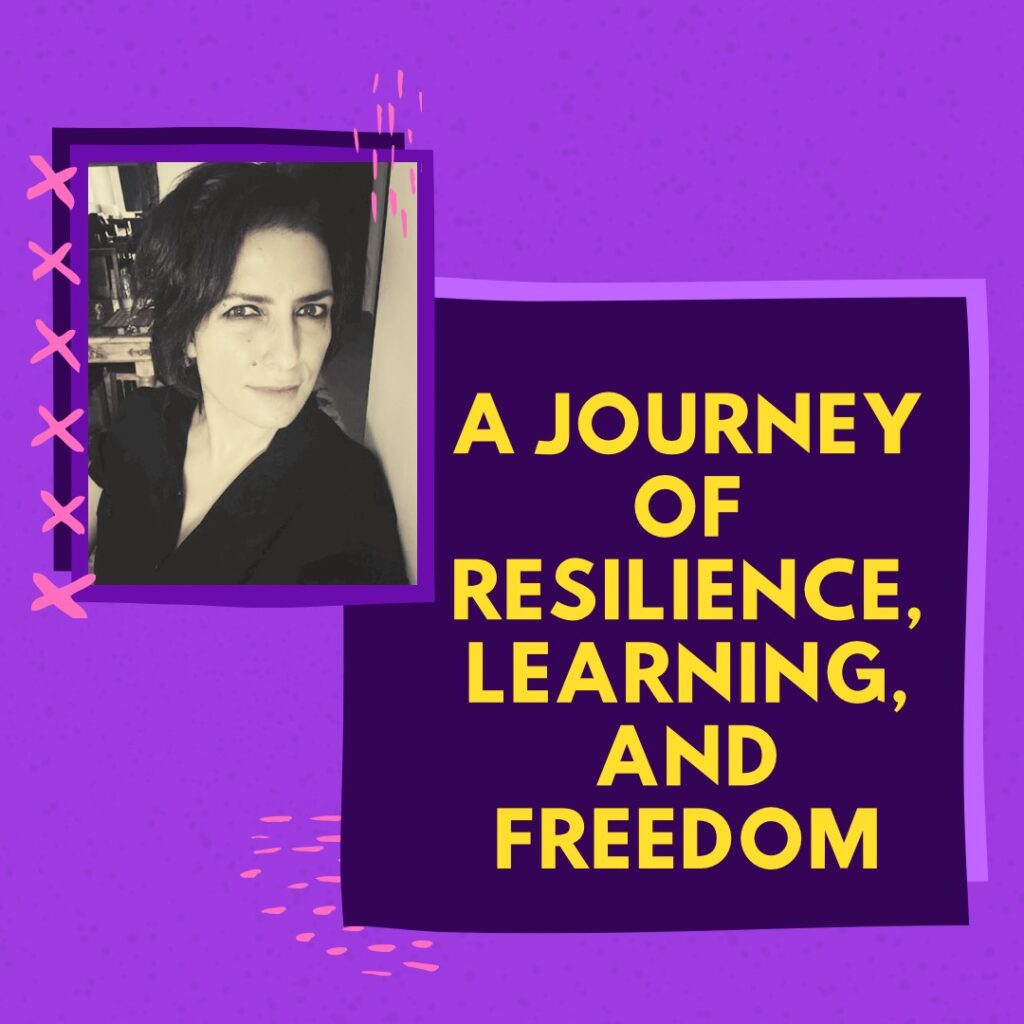
Ma’am Fatima hails from Quetta, Balochistan, born into a family of eight siblings. Growing up in a Pashtun household, she was deeply influenced by her nana, whose guidance shaped her early years.
She completed all her basic education in Quetta, attending the Government Girls College, where she faced her first major restriction: wearing a chaddar. In Quetta, the chaddar is both a symbol of cultural fashion and, paradoxically, a safeguard. Ma’am Fatima experienced firsthand how it could provide protection while also exposing women to harassment. Despite these challenges, she noticed a growing emphasis on girls’ education in her family and community, especially in the nearby areas of Ramilly.
Her academic excellence led her to earn a U.S. Congress Scholarship for students from Balochistan. She completed her undergraduate degree in the U.S., where she realized that Balochistan is often misunderstood—not backward, as often portrayed, but rich in culture and potential. She fondly recalls, “When you are in Quetta, you feel it. It becomes rooted in your heart.”
Ma’am Fatima returned to the U.S. for her master’s degree, again on scholarship. Though the program was for two years, she stayed for five, taking on multiple jobs—from cleaning and security work to small gigs—to support herself. There were moments of despair, including a time when she faced the possibility of deportation, but through persistence and a bit of luck, she secured a position as a hostel warden.
Through these experiences, she often asked herself the question that would define her journey: “Main kyun hoon? What is my purpose in life?” Returning to Pakistan, she initially struggled to find work in Balochistan and eventually moved to Islamabad, seeking opportunities where her skills could be recognized. Despite facing setbacks, she maintained a focus on excellence, particularly in the teaching and development sector.
Her personal journey took a profound turn when she met a teacher and mentor, Sheikh Ibrahim from South Africa, whose teachings on Tasawuf (Sufism) transformed her perspective. Through his guidance, she discovered a deeper understanding of freedom, purpose, and the divine presence in everyday life. While she did not align with secular feminism, she embraced a unique approach to gender and personal empowerment—one rooted in self-awareness, spirituality, and resilience.
Today, Ma’am Fatima shares a powerful message for young women:
“Patriarchy exists, but you can negotiate your path. Ask yourself, ‘Who am I?’ and stay connected to a higher purpose. Your intention matters. Overcome fear, be grateful for nature, and remember that the only limits are the ones you accept. Freedom begins within yourself.”
Her story is a testament to courage, perseverance, and the transformative power of education and mentorship. Ma’am Fatima’s journey reminds us that no matter the obstacles, everything is possible when you believe in your purpose and stay true to your intentions.